What Backflow Is And Why Plumbing Testing Is Important
People searching for backflow testing are usually looking to ensure their drinking water remains safe by having local contractors check and prevent backflow issues.
Understanding what backflow is and why plumbing testing is important can help property owners safeguard their water supply and avoid costly repairs. Backflow occurs when contaminated water flows backward into the clean water supply, potentially introducing harmful bacteria or pollutants. Regular plumbing testing by experienced service providers helps identify potential backflow issues early, ensuring that water remains safe for everyday use. If you own a property in the area, exploring this topic provides practical insights into maintaining a healthy, reliable water system and highlights the value of professional backflow testing services available nearby.
For property owners, staying informed about backflow and the importance of plumbing testing is a smart step toward protecting your investment. Local contractors who specialize in backflow testing can assess your system, identify vulnerabilities, and ensure that backflow prevention devices are functioning correctly. This proactive approach not only helps prevent water contamination but also supports compliance with local regulations. Keep reading to learn more about how these services can help maintain the safety and integrity of your water supply, and why partnering with qualified local service providers is a wise choice.
- Backflow testing - homeowners may need this service to ensure their drinking water remains safe from contamination caused by reverse flow, with local contractors performing thorough inspections.
- Plumbing system inspection - property owners concerned about potential backflow issues can rely on local service providers to evaluate and identify vulnerabilities in their plumbing setups.
- Backflow prevention device installation - businesses or residences requiring new backflow preventers can find local pros skilled in proper installation to protect their water supply.
- Backflow device maintenance - facilities with existing backflow preventers should schedule regular testing and maintenance, with local contractors ensuring devices function correctly.
- Water quality testing - individuals noticing unusual water taste or odor may seek local experts to assess if backflow issues are impacting their water safety.
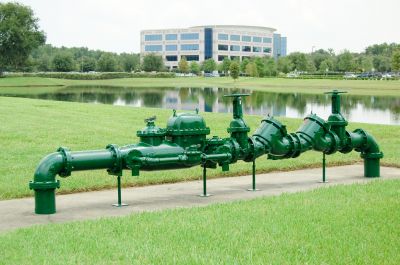
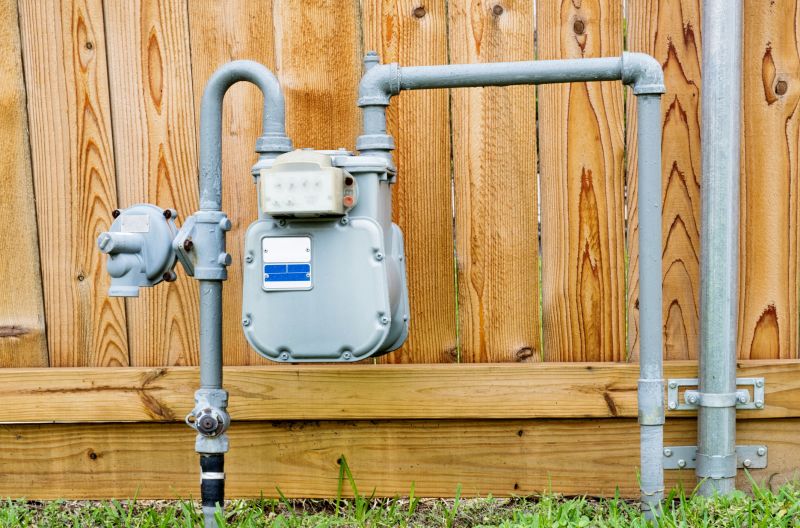
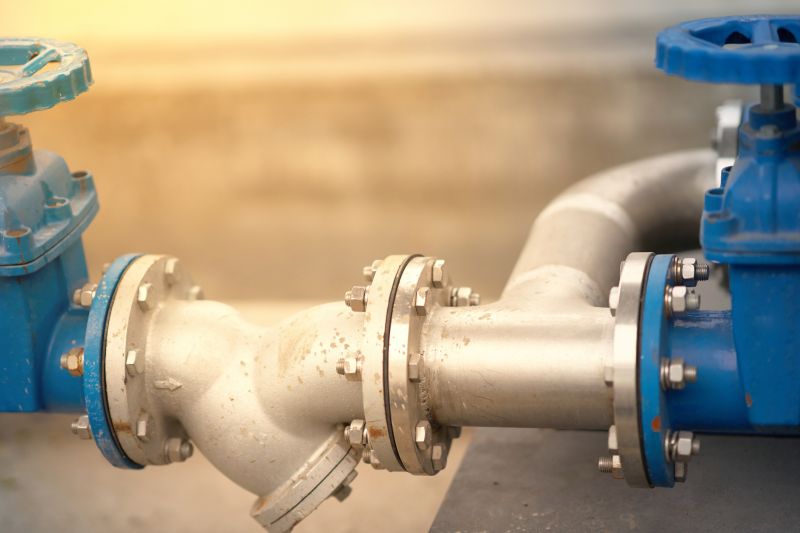
Understanding what backflow is and why plumbing testing is important helps homeowners recognize potential risks to their water supply and ensure their plumbing systems function properly. Backflow occurs when contaminated water flows in the opposite direction of normal flow, potentially introducing harmful substances into clean drinking water. This can happen due to changes in water pressure, such as during a sudden drop or surge, which can cause water to reverse course. Plumbing testing for backflow is a method used to identify and prevent these issues before they pose health hazards, making it a crucial step in maintaining a safe and reliable water system.
Many property owners search for information on backflow and plumbing testing because they are concerned about the safety of their water, especially in properties with irrigation systems, fire suppression systems, or commercial setups. Problems related to backflow often involve cross-connections-points where potable water lines connect with non-potable sources-which can become contaminated if backflow occurs. Property plans that include irrigation, industrial processes, or complex plumbing networks are particularly relevant, as these systems can increase the risk of backflow incidents. Homeowners with private wells or properties in areas prone to pressure fluctuations may also find this topic especially pertinent.
The types of properties that typically come up in discussions about backflow and plumbing testing include residential homes, especially those with well systems or sprinkler setups, as well as commercial buildings, restaurants, and industrial facilities. Multi-family complexes, schools, and healthcare facilities are also common sites where backflow prevention measures are important. These properties often have more complex plumbing arrangements that require regular testing to ensure backflow preventers are functioning correctly. Local service providers who specialize in backflow testing understand the specific needs of these property types and can help ensure that systems are compliant with local health and safety standards.
For homeowners considering plumbing projects or routine maintenance, understanding the role of backflow testing can clarify how these services fit into overall property care. Regular testing by experienced local contractors helps identify potential issues early, preventing costly repairs and safeguarding water quality. These professionals can assess existing backflow prevention devices, install new equipment if needed, and perform ongoing testing to maintain system integrity. Connecting with qualified local pros ensures that the plumbing system remains safe and compliant, providing peace of mind that the property’s water supply is protected from contamination risks associated with backflow incidents.
Water line installation - installing new water lines requires understanding of backflow prevention to ensure safe water supply and avoid contamination.
Irrigation system setup - designing and installing irrigation systems involves managing pressure and preventing backflow to protect potable water sources.
Fire sprinkler system testing - testing fire sprinkler systems includes checking for backflow issues to maintain system integrity and water safety.
Drain and sewer line repair - repairing drain and sewer lines involves inspecting for potential backflow problems that could impact plumbing performance.
Water heater installation - installing water heaters requires knowledge of plumbing testing to prevent backflow and ensure proper operation.
Leak detection services - detecting leaks in plumbing systems helps identify backflow risks that could lead to water contamination or damage.
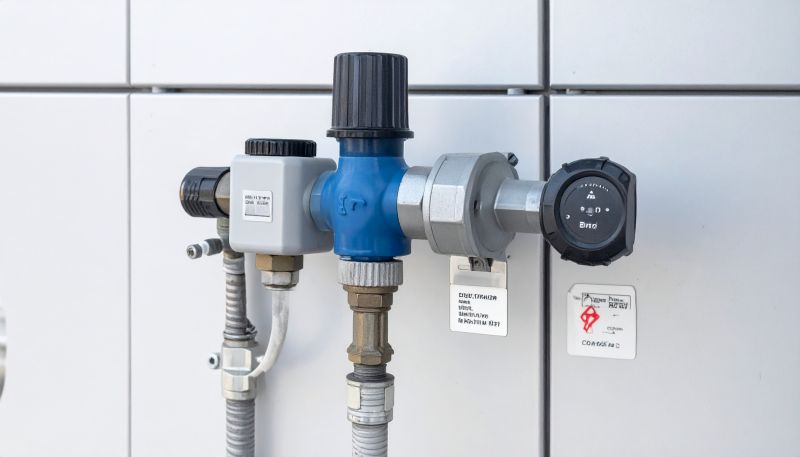
When comparing service providers for backflow testing, it’s important to consider their experience with similar projects. Homeowners should look for local contractors who have a proven track record in performing backflow testing and related plumbing assessments. An experienced professional will understand the nuances of different plumbing systems and be better equipped to identify potential issues that could compromise water safety. This familiarity can help ensure the testing is thorough and accurate, reducing the likelihood of overlooked problems that might lead to costly repairs or health concerns down the line.
Clear written expectations are essential when evaluating backflow testing services. Homeowners should seek providers who can articulate what the testing process involves, what the scope of work includes, and any necessary follow-up steps. Having this information in writing helps prevent misunderstandings and ensures everyone is aligned on the service details. It also provides a reference point if questions arise later, making the process more transparent and manageable. Reputable service providers typically prioritize clear communication to help homeowners make informed decisions about their plumbing systems.
Reputable references and good communication are key factors to consider when selecting local contractors for backflow testing. Homeowners can ask for references or reviews from previous clients to gauge the quality of service and professionalism. Reliable providers tend to have a history of positive interactions, timely responses, and thorough explanations. Good communication throughout the process helps ensure that homeowners feel confident in the work being performed and can easily address any concerns or questions that may come up. Choosing a service provider with a strong reputation and open lines of communication can contribute to a smoother, more trustworthy experience.
Property owners often search for what backflow is and why plumbing testing is important when they are planning practical projects around their homes and businesses. Local pros provide Backflow Testing services for everyday jobs and straightforward project options.
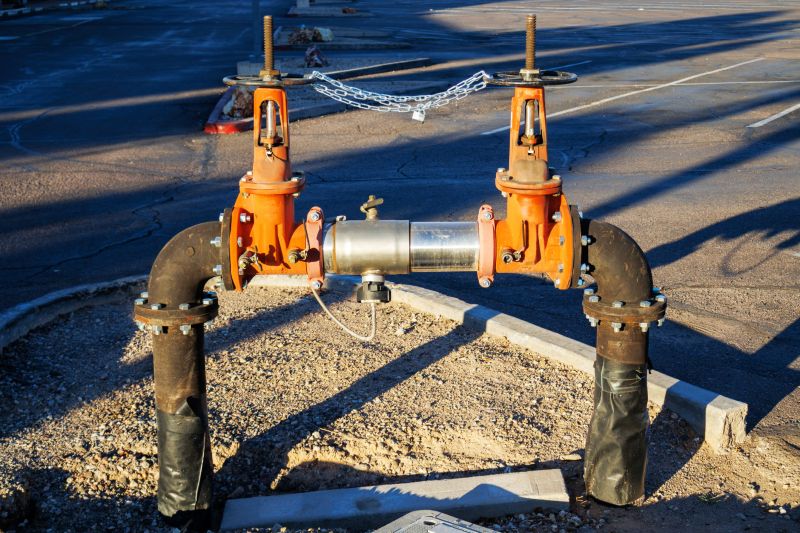
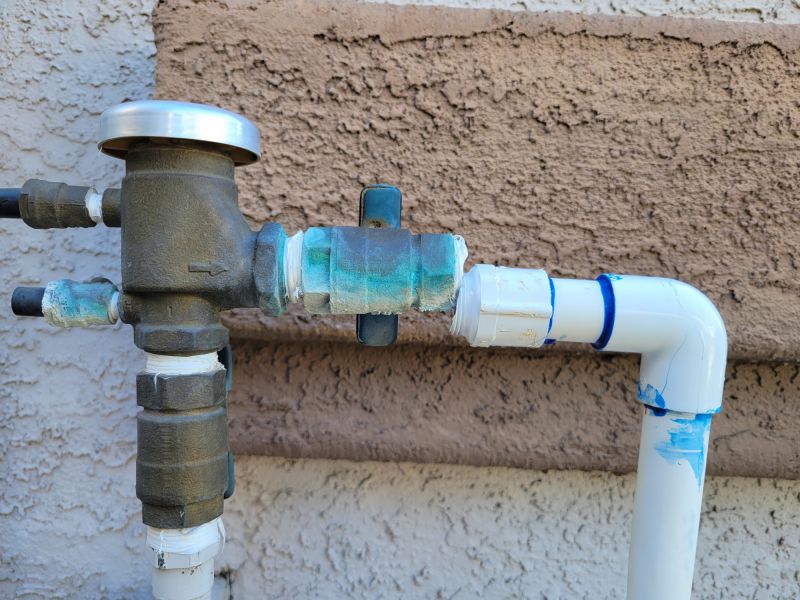
Understanding what backflow is and why plumbing testing is important can help property owners ensure their water systems remain safe and functional. Backflow occurs when contaminated water flows backward into the clean water supply, potentially introducing pollutants or bacteria that pose health risks. Regular plumbing testing by local contractors can identify backflow issues early, preventing costly damage or health hazards. Homeowners and business owners in the area often look into backflow testing services to maintain compliance with local regulations and to safeguard their drinking water, especially if their property has irrigation systems, fire suppression systems, or other cross-connections that could lead to backflow problems.
Choosing professional backflow testing services can provide peace of mind by ensuring that backflow prevention devices are working correctly. Local service providers have the expertise to perform thorough inspections and tests, helping property owners avoid unexpected disruptions or violations. Routine testing is a simple yet effective way to keep plumbing systems in check, especially for those managing properties with complex water connections. Connecting with experienced local contractors can make it easier to stay ahead of potential backflow issues and maintain a safe, reliable water supply.
What is backflow and why does it matter? Backflow occurs when contaminated water flows backward into the clean water supply, which can pose health risks. Plumbing testing by local contractors helps identify and prevent backflow issues, ensuring water safety in homes and businesses.
Why is backflow testing important for property owners? Regular backflow testing helps detect potential hazards early, preventing water contamination and costly repairs. Local service providers can perform these tests to maintain the integrity of your plumbing system.
How do local plumbing contractors perform backflow testing? They use specialized equipment to check for reverse flow in the plumbing system, ensuring that backflow prevention devices are functioning properly and that water remains safe.
What are the risks of neglecting backflow prevention? Ignoring backflow prevention can lead to contaminated water entering your supply, which may cause health issues and damage to plumbing infrastructure. Professional testing helps mitigate these risks.
How can I ensure my plumbing system is protected against backflow? Scheduling routine backflow testing with experienced local contractors ensures that backflow prevention devices are working correctly and that your water supply stays safe and clean.
Understanding backflow prevention - property owners can learn how backflow issues may affect their water supply and plan for regular testing with local service providers.
Scheduling plumbing testing - arranging routine backflow testing helps ensure that the plumbing system remains safe and compliant, preventing potential contamination.
Installing backflow prevention devices - property owners can work with local contractors to install or upgrade devices that protect against backflow problems.
Maintaining plumbing systems - regular inspections and testing by local pros can identify early signs of backflow or system failure, supporting ongoing water safety.
If you are thinking about what backflow is and why plumbing testing is important for a property, this guide is meant to help you understand this topic, the typical project types, and how different options might fit your plans.
When you are ready, you can use the quote form on this page to share a few details about your project. From there, local pros can review the basics and follow up with options that match what you have in mind.